Cancer and its treatments can bring immense physical and emotional challenges. As medical research expands, cannabis has emerged as a possible complementary option for patients seeking relief from pain, nausea, and other side effects of conventional therapies. While not a cure, medical cannabis may play a meaningful role in improving quality of life for those living with cancer.
Quick Takeaways
● Cannabis may ease chemotherapy-related nausea and vomiting.
● Certain cannabinoids like THC and CBD can reduce pain and inflammation.
● Some patients report better sleep and appetite when using medical cannabis.
● Ongoing research explores whether cannabinoids may slow cancer cell growth.
● Patients should consult oncologists before incorporating cannabis into treatment.
Understanding Cannabis and Its Role in Cancer Care
Cannabis contains hundreds of compounds, including cannabinoids such as tetrahydrocannabinol (THC) and cannabidiol (CBD). These compounds interact with the body’s endocannabinoid system, which helps regulate pain, mood, appetite, and immune response. For cancer patients, these interactions may help manage symptoms caused both by the disease itself and its treatments.
Many forms of cannabis can be used depending on a patient’s needs and tolerance:
● Edibles: These are food-based products infused with cannabinoids, offering long-lasting effects but slower onset. They’re suitable for patients needing sustained symptom control.
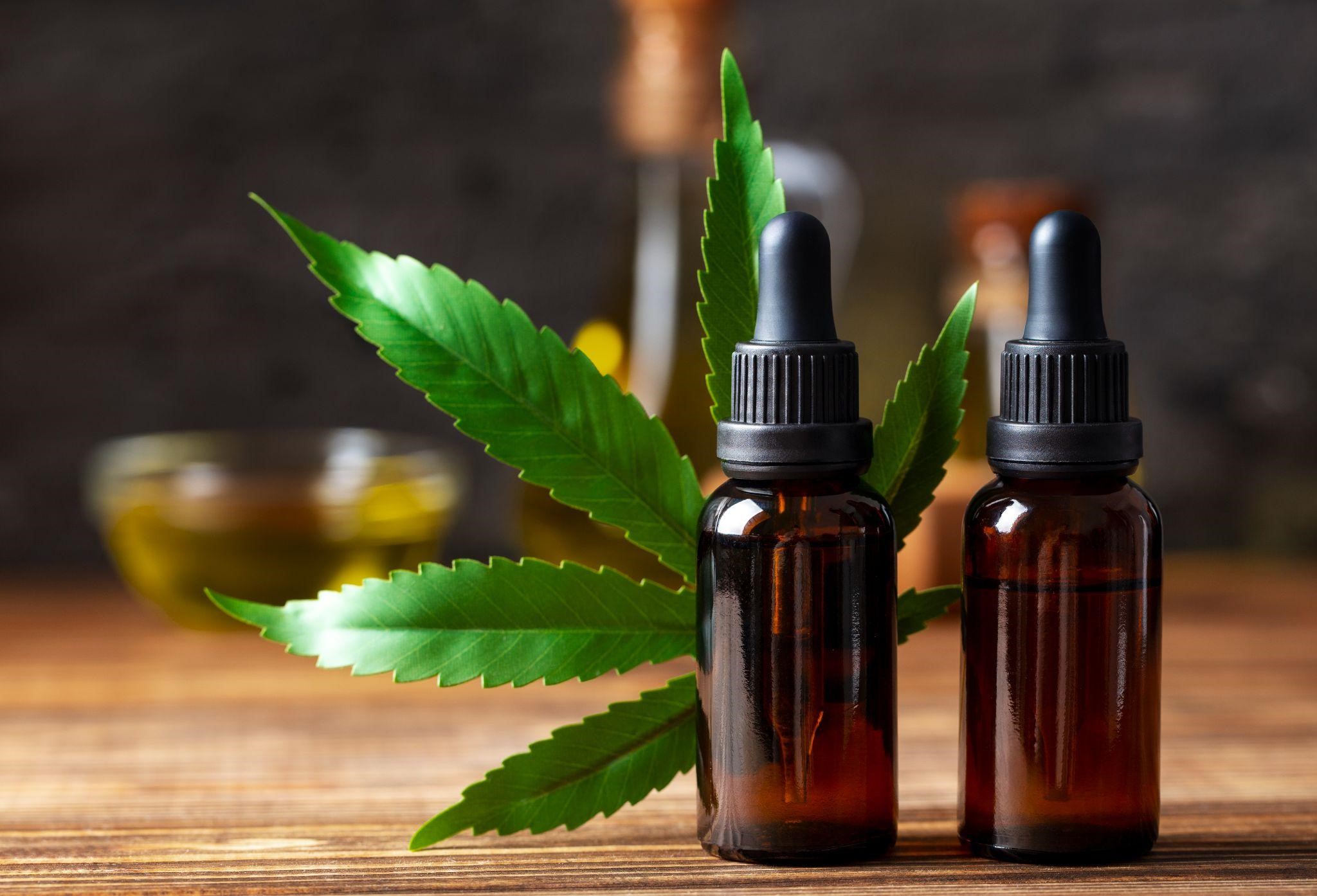
● Tinctures: Liquid extracts taken sublingually (under the tongue) provide a fast, controllable dosage option and are easy for patients with swallowing difficulties.
● Creams and Topicals: Applied to the skin for localized pain or inflammation, these offer relief without psychoactive effects.
● High-purity THCa diamonds: Concentrated crystalline forms of THCa, such as high-purity THCa diamonds, deliver potent, precise dosing for experienced users seeking strong therapeutic outcomes.
Cannabis May Help Manage Cancer-Related Symptoms
For decades, synthetic cannabinoids have been used in cancer care to reduce nausea and boost appetite. However, whole-plant cannabis may provide broader benefits due to the “entourage effect,” where various cannabinoids and terpenes work synergistically. Patients often find that cannabis helps them regain a sense of normalcy, enabling better sleep, reduced anxiety, and improved energy for daily activities.
A Practical Comparison of Potential Benefits
Here’s a snapshot of how cannabis compares with traditional symptom management approaches:
Symptom/Effect Conventional Treatment Potential Cannabis Benefit
Nausea/Vomiting Prescription antiemetics THC and CBD may provide natural nausea relief
Pain Opioid analgesics Cannabinoids may reduce pain with fewer side effects
Appetite Loss Steroids or appetite stimulants THC often increases hunger
Sleep Issues Sedatives or benzodiazepines Cannabis can promote relaxation and restfulness
Anxiety SSRIs or therapy CBD and low-dose THC may reduce stress responses
How to Safely Explore Cannabis as a Cancer Patient
For patients considering cannabis, a structured and informed approach is essential.
1. Consult your oncologist — Ensure it won’t interfere with chemotherapy or other treatments.
2. Verify legality and access — Check your state or country’s medical marijuana laws and approved dispensaries.
3. Start with low doses — Begin slowly, increasing only as advised by a medical professional.
4. Track your symptoms — Keep a journal noting effects, dosage, and side effects.
5. Prefer lab-tested products — Look for verified cannabinoid content and contaminant-free certification.
6. Combine with supportive therapies — Nutrition, counseling, and mindfulness can enhance benefits.
FAQ
1. Can cannabis cure cancer?
There is currently no scientific evidence that cannabis cures cancer. Some studies show cannabinoids may slow tumor growth in laboratory settings, but this has not been confirmed in human trials. Cannabis should be used as a supportive therapy, not a replacement for conventional treatment.
2. Will using cannabis make me “high”?
Not necessarily. Products high in CBD and low in THC provide symptom relief without strong psychoactive effects. Patients can work with medical professionals to find a ratio that balances comfort and clarity.
3. How does cannabis interact with chemotherapy drugs?
Some cannabinoids may affect how the liver metabolizes certain medications. Always consult your oncologist or pharmacist before using cannabis alongside chemotherapy to avoid adverse interactions.
4. Is smoking cannabis safe for cancer patients?
Smoking introduces combustion by-products that may irritate lungs or interact poorly with treatment. Vaporizers, tinctures, or edibles are safer alternatives that minimize respiratory risks.
5. Can I travel with medical cannabis?
Travel laws vary widely. Even if cannabis is legal in your state, crossing state lines or international borders with it can lead to legal issues. Always verify travel regulations before carrying cannabis products.
6. Are all dispensary products equally effective?
No. The quality, potency, and formulation of cannabis products vary. Work with licensed dispensaries and request lab reports to ensure you’re using safe, accurately labeled products.
Key Benefits at a Glance
Many patients report improvements not only in physical symptoms but in overall emotional well-being. The combination of reduced nausea, increased appetite, and better rest can create a more manageable treatment experience. Importantly, patients often find that regaining some control through natural options like cannabis improves morale and resilience during cancer therapy.
Conclusion
Cannabis is not a cure, but it can be a compassionate ally in cancer care. For many patients, it offers tangible relief from pain, nausea, anxiety, and appetite loss—helping them live more comfortably while undergoing treatment. The key is to approach cannabis thoughtfully, under professional guidance, and with attention to product quality and personal response. As science continues to evolve, cannabis may become an increasingly valuable part of integrated oncology care.