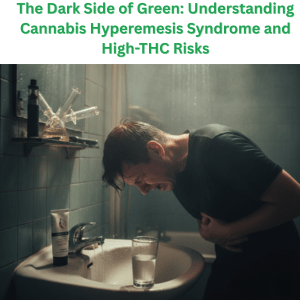
For many, cannabis is a source of relaxation or relief, a natural remedy that soothes various ailments. But what if the very plant you turn to for comfort becomes the cause of intense, debilitating illness? This is the perplexing reality for a growing number of individuals experiencing Cannabis Hyperemesis Syndrome (CHS), a condition characterized by severe, recurring bouts of nausea, vomiting, and abdominal pain. And increasingly, medical professionals are pointing fingers at one major culprit: the unchecked rise of high-potency THC products.
CHS is a cruel twist for cannabis users, as it weaponizes the very cannabinoid system often credited with anti-nausea effects. The irony is stark: people consume more cannabis to quell the sickness, unknowingly fueling the fire of their own suffering.
The Alarming Rise of CHS: A 5-Year Snapshot
Data from the past five years paints a clear and concerning picture. The incidence of CHS has been on a sharp incline, mirroring two significant trends: the widespread legalization of cannabis and the proliferation of increasingly potent products like concentrates, vapes, and high-THC flower.
Emergency room visits related to CHS-like symptoms have surged, with some regions reporting nearly a 30% increase in annual cases between 2020 and 2024. A recent 2025/2026 study estimates that a staggering 18% of daily cannabis users may be experiencing symptoms consistent with CHS – a figure that translates to millions of individuals in the US alone. This epidemic disproportionately affects young adults aged 18 to 35, a demographic often drawn to potent and readily available cannabis options.
Unpacking the Symptoms: The Three Phases of CHS
CHS typically unfolds in three distinct stages:
Prodromal Phase: This initial stage can last for months or even years, marked by early morning nausea and mild abdominal discomfort. Users often mistake these symptoms for something else, or believe more cannabis will help.
Hyperemetic Phase: This is the crisis point. Sudden, overwhelming, and intense vomiting takes hold, often accompanied by severe abdominal pain. It’s during this phase that most sufferers rush to the emergency room, desperately seeking relief.
Recovery Phase: The blessed relief. Once cannabis use is completely stopped, symptoms typically begin to subside within days, leading to full recovery.
A tell-tale sign of CHS, and one that often baffles doctors unfamiliar with the syndrome, is the compulsive need for hot baths or showers. Sufferers find temporary, albeit incomplete, relief from their agony under scalding water, which is thought to help modulate the body’s overstimulated cannabinoid receptors.
The High-Potency Problem: Why Stronger Isn’t Better
While cannabis has its therapeutic merits, the race for ever-higher THC percentages is proving to be a detrimental gamble. For decades, traditional cannabis strains hovered around 10-15% THC. Today, it’s commonplace to find flower exceeding 25%, with concentrates and edibles often soaring past 70-90% THC.
Anything over 29% THC is generally not recommended, especially for regular, long-term use. This extreme potency overloads the body’s endocannabinoid system, leading to its dysregulation and, for some, the development of CHS. It’s akin to taking a sledgehammer when a light tap would suffice – the system becomes overwhelmed and reacts adversely. High THC levels also carry increased risks for anxiety, paranoia, and the exacerbation of underlying mental health conditions. More isn’t always better; sometimes, it’s simply too much.
What to Do If You Suspect CHS
If you or someone you know is experiencing these alarming symptoms, here’s the crucial advice:
Seek Medical Help Immediately: CHS is a diagnosis of exclusion. Doctors need to rule out other serious conditions. Be completely honest about your cannabis use – it’s vital for an accurate diagnosis.
Manage the Acute Attack: In the hyperemetic phase, aggressive rehydration with IV fluids is often necessary due to severe vomiting. Interestingly, traditional anti-nausea medications are often ineffective; doctors may use capsaicin cream (yes, from chili peppers!) applied to the abdomen to provide relief.
The Only Cure: Complete Cessation: This cannot be stressed enough. The only permanent solution for CHS is to stop using cannabis entirely. Symptoms usually resolve within 7-10 days of quitting. Even occasional use after recovery can trigger a full relapse.
Find Support for Quitting: For chronic users, quitting can be challenging. Seek support from healthcare providers, therapists specializing in addiction, or support groups. Address any underlying issues (anxiety, pain, insomnia) that led to heavy cannabis use with non-cannabinoid therapies.
Don’t let the green dream become a waking nightmare. If you’re struggling with cannabis-related health issues, it’s time to take control.
Call Novus Cannabis MedPlan today to explore healthier pathways and understand how to manage your cannabis use responsibly, or to get support for a break. Your health is worth it. 855-228-7355 or email info@getnovusnow.com or leanmore about Novus https://getnovusnow.com